

Wondering how to tell if a second-hand dismantled engine is good? Learn key checks on compression, oil leaks, mileage and test-run signs before purchasing a used engine for your vehicle overhaul.
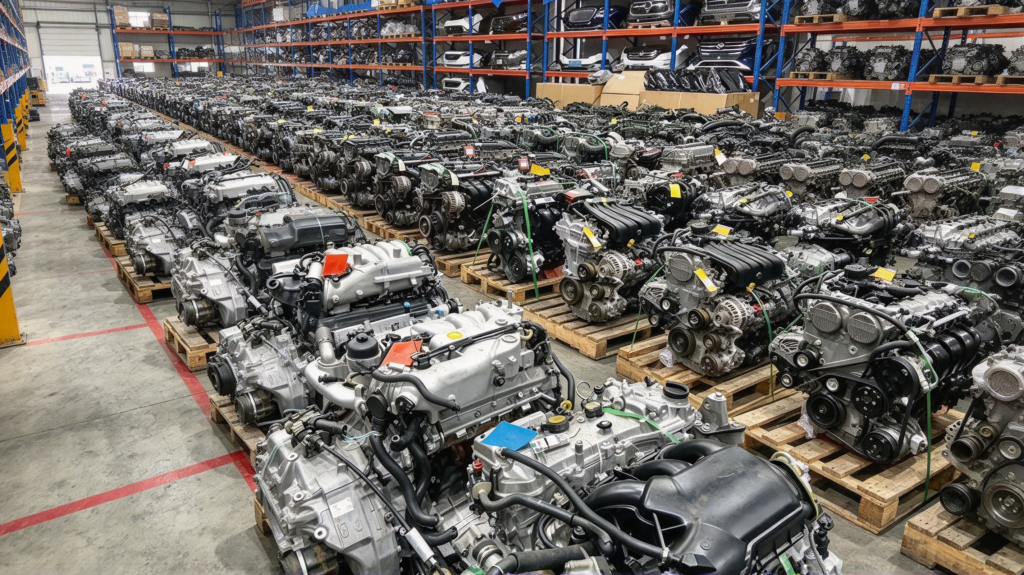
When your vehicle’s original power unit fails, sourcing a used dismantled engine is often the most cost-effective solution for car repair and replacement. Many repair shops and private car owners prefer recycled engines over brand-new assemblies, but it is critical to know how to judge quality and avoid buying faulty units.
First, always verify the matching model and OEM part number before anything else. A cheap engine means nothing if it cannot fit your car. Confirm the engine code, production year and compatible vehicle list, and cross-check the VIN information of your car. You can browse our full stock of reclaimed complete engine assemblies to find correctly matched options.
Second, check for external signs of damage and oil leakage. Carefully look at the cylinder head gasket, oil pan, crankshaft seal and turbo joints. Heavy fresh oil stains usually mean hidden internal wear. Minor old seepage can be fixed, but active, fresh oil leaks are a red flag you should stay away from.
Third, ask for compression test data. Compression pressure is the most reliable indicator of internal cylinder condition. A healthy used engine has balanced compression across all cylinders. Big differences between cylinders point to worn piston rings, valve damage or cylinder wall scoring. Trustworthy suppliers will provide bench test records and short running videos for verification.
Fourth, pay attention to running noise and smoke conditions. If you can watch a startup test, listen for steady, smooth operation. Knocking, rattling or metallic ticking sounds signal serious internal problems. Blue smoke means oil burning; thick white smoke indicates coolant entering the combustion chamber. Both issues will lead to early engine failure.
Fifth, check the maintenance history and mileage reference. Dismantled engines from low-mileage accident cars are far better than high-mileage units from worn-out scrapped vehicles. Ask the seller whether the engine was removed from a collision car, water-damaged car or naturally retired car. Flood-damaged engines carry hidden corrosion risks that are hard to fully repair.
Sixth, inspect the accessories attached to the engine. Check the starter, alternator, intake manifold, sensors and wiring harness. Some sellers sell bare long blocks without attachments, while others offer full complete assemblies. Clarify what parts are included before you pay, to avoid unexpected extra costs.
Even if all checks look good, arrange proper installation by an experienced mechanic. Professional fitting, new gaskets, oil change and coolant replacement are required after installation. Proper break-in operation will extend the service life of your second-hand engine.
Purchasing a used dismantled engine does not have to be risky. Stick to these inspection steps, buy from reliable dismantlers, and always prioritize engines with test evidence. If you are ready to replace your powertrain, check our inventory of used tested engines for popular Japanese, Korean, European and Chinese car models.